.png)
Pet Deodorizing Spray Innovations: What’s Next in 2026 and Beyond?
- zepetcares
- Oct 24, 2025
- 5 min read
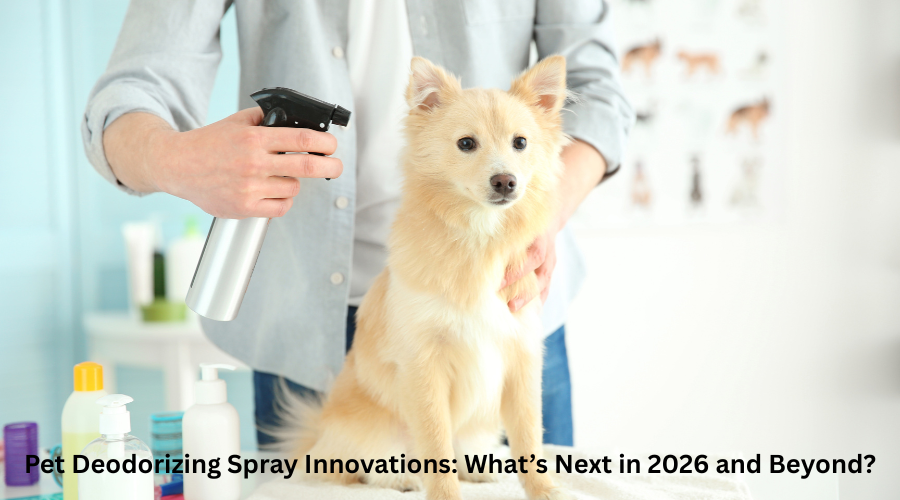
Keeping pets clean and fresh is no longer just a matter of grooming—it's a lifestyle choice for modern pet owners. As more people treat their furry companions as family, innovation in pet care products has accelerated like never before. One category that’s seeing rapid growth and transformation is pet deodorizing sprays. These sprays are not just masking odors anymore; they’re combining science, sustainability, and smart design to create next-generation solutions. If you’re curious about what lies ahead, you’re in the right place. In this article, we’ll explore the most exciting trends and breakthroughs shaping the future of pet deodorizing sprays, including what Pet Deodorizing Spray Manufacturer brands are doing to meet changing consumer needs.
The Evolution of Pet Deodorizing Sprays
In the past, pet sprays mainly focused on masking unpleasant smells using heavy fragrances. But times have changed. Pet owners now demand safer, natural, and more effective products that don’t just cover up odors but neutralize them at the source. This shift has led to innovation in formulas, packaging, and even application methods.
As we move toward 2026 and beyond, manufacturers are pushing the boundaries of what pet deodorizing sprays can do—prioritizing health, eco-friendliness, and long-lasting results.
Let’s dive into the groundbreaking developments redefining this fast-evolving category.
1. Enzyme-Based and Probiotic Formulas Take Center Stage
One of the biggest innovations is the rise of enzyme-based and probiotic deodorizing sprays. These formulas harness beneficial bacteria or natural enzymes that break down odor-causing molecules instead of simply hiding them.
How it works: Enzymes and probiotics target organic waste like pet dander, urine, or saliva. They digest these particles at the molecular level, eliminating the root cause of bad smells.
Why it matters: They’re gentle on pet skin, non-toxic, and safe for use around children—making them ideal for health-conscious households.
As more pet owners read labels carefully, the demand for chemical-free odor solutions will continue to grow. Expect to see major brands and emerging startups investing heavily in biotech-driven deodorizing sprays.
2. Smart Sprays with Sensor Technology
Yes, even your pet’s deodorizing spray is getting smarter. Some upcoming prototypes feature smart spray technology integrated with scent sensors. These devices detect odor levels in the home and release the right amount of deodorizer automatically.
Imagine a connected dispenser that syncs with your smartphone, tracks pet activity, and notifies you when it’s time to refresh the spray—a perfect blend of convenience and innovation.
While this may sound futuristic, companies in the home care and pet tech industries are already testing smart air and odor systems. The next step is merging those technologies into pet-specific applications.
3. Focus on Natural, Plant-Based Ingredients
Modern consumers are increasingly eco-aware. than ever before. Plant-based deodorizing sprays are becoming the norm, featuring components like aloe vera, chamomile, green tea extract, and coconut oil. These not only neutralize odors but also nourish pet fur and skin.
Future formulations are expected to prioritize:
Essential oil alternatives: Gentle fragrances derived from herbs and fruits.
Hypoallergenic blends: Perfect for pets with sensitive skin.
Zero-toxin guarantees: Ensuring no parabens, sulfates, or alcohols are used.
This clean-label trend will continue to dominate the market as sustainability becomes a top purchasing factor.
4. Eco-Friendly and Refillable Packaging
Beyond formulas, eco-conscious packaging is transforming the pet spray industry. Many brands are launching biodegradable bottles, refill pouches, and aluminum containers to reduce plastic waste. Some even offer subscription-based refills, where customers receive concentrated solutions to dilute at home.
The new era of innovation will likely include:
Compostable sprayers
Recycled ocean plastics
Smart refill indicators
This movement not only appeals to eco-minded customers but also strengthens brand reputation as companies embrace sustainable production practices.
5. Multi-Purpose Sprays for Modern Lifestyles
Gone are the days of one-solution products. The future lies in multi-purpose deodorizing sprays that can be applied to pets, bedding, furniture, and car interiors. These versatile products simplify daily routines, making them highly appealing to busy pet parents.
By 2026, expect to see more 2-in-1 or 3-in-1 sprays that combine:
Odor elimination
Anti-bacterial action
Fur conditioning and shine enhancement
This combination approach aligns with the growing consumer preference for efficiency and value.
6. Customized Scents and Fragrance-Free Options
Personalization is another exciting frontier. In 2026, pet deodorizing sprays will cater to individual preferences, offering a choice between mild natural scents and completely fragrance-free versions. Some companies are even experimenting with custom scent kits, allowing pet owners to mix their own pet-safe fragrances at home.
For sensitive pets, unscented sprays that neutralize odors without added fragrance are gaining popularity. They’re particularly helpful for pets with allergies or strong smell sensitivity.
7. Veterinary-Approved and Functional Sprays
Pet sprays are no longer just cosmetic. The next generation includes veterinary-approved formulas designed to promote skin health while managing odor.
These may include:
Anti-fungal and anti-bacterial properties
Moisturizing agents to soothe itchy skin
Deodorizing benefits that last up to 72 hours
This clinical-meets-practical approach ensures that sprays not only keep pets smelling good but also support their overall well-being.
8. The Role of AI and Data in Product Development
Artificial Intelligence is making its way into the pet care industry. Companies are leveraging AI to analyze consumer feedback, predict preferences, and design more effective products. By 2026, we might see AI-assisted formulation testing, ensuring sprays deliver maximum odor control with minimal environmental impact.
AI could also play a role in recommendation systems, suggesting the best deodorizing spray for your pet’s breed, coat type, and living environment.
9. The Growing Influence of E-Commerce and Branding
With online shopping booming, pet care brands are optimizing their digital presence. Future innovation isn’t limited to product design—it extends to packaging aesthetics, online reviews, and influencer marketing.
Brands that combine eco-conscious values, scientific credibility, and strong storytelling are expected to dominate the e-commerce landscape. Subscription models for regular deliveries of pet deodorizing sprays are also trending, providing consistent freshness with minimal effort.
10. Global Collaboration and Ethical Manufacturing
As the market becomes increasingly competitive, collaborations between global suppliers, researchers, and animal care experts are shaping the future of deodorizing sprays. Ethical sourcing of ingredients, cruelty-free testing, and transparent manufacturing will become standard expectations.
A reputable manufacturer of pet deodorizing spray that invests in research and eco-friendly production will lead the industry forward, setting benchmarks for quality, safety, and sustainability.
Conclusion
The pet deodorizing spray industry is evolving rapidly, driven by innovation, sustainability, and smarter technology. From enzyme-powered formulas and eco-friendly packaging to AI-enhanced product design, the next few years promise exciting developments for pet owners and brands alike.
As we move into 2026 and beyond, the focus will remain on creating safer, smarter, and more sustainable solutions that align with both pet wellness and environmental responsibility. For businesses and consumers, this is an era of opportunity—one where science meets compassion to make pet care better than ever.
FAQs
1. Are natural pet deodorizing sprays effective?
Yes. Natural sprays using enzymes or plant-based ingredients work by breaking down odor-causing compounds rather than masking them. They are safe for pets and effective for long-term freshness.
2. Can I use human deodorizing products on my pets?
No. Human sprays often contain alcohols and chemicals that can irritate pet skin or cause allergic reactions. Always use pet-specific deodorizing sprays formulated for animal safety.
3. How often should I apply deodorizing spray on my pet?
Most sprays can be used 2–3 times a week depending on activity level and coat type. Always follow the manufacturer’s directions for best results.
4. What’s the difference between scented and unscented pet sprays?
Scented sprays add a pleasant fragrance, while unscented sprays focus purely on odor neutralization—ideal for sensitive pets or owners who prefer a natural environment.
5. How can I choose the best pet deodorizing spray?
Look for natural ingredients, non-toxic formulas, and positive customer reviews. Consider your pet’s skin sensitivity, coat type, and lifestyle before buying.


Comments